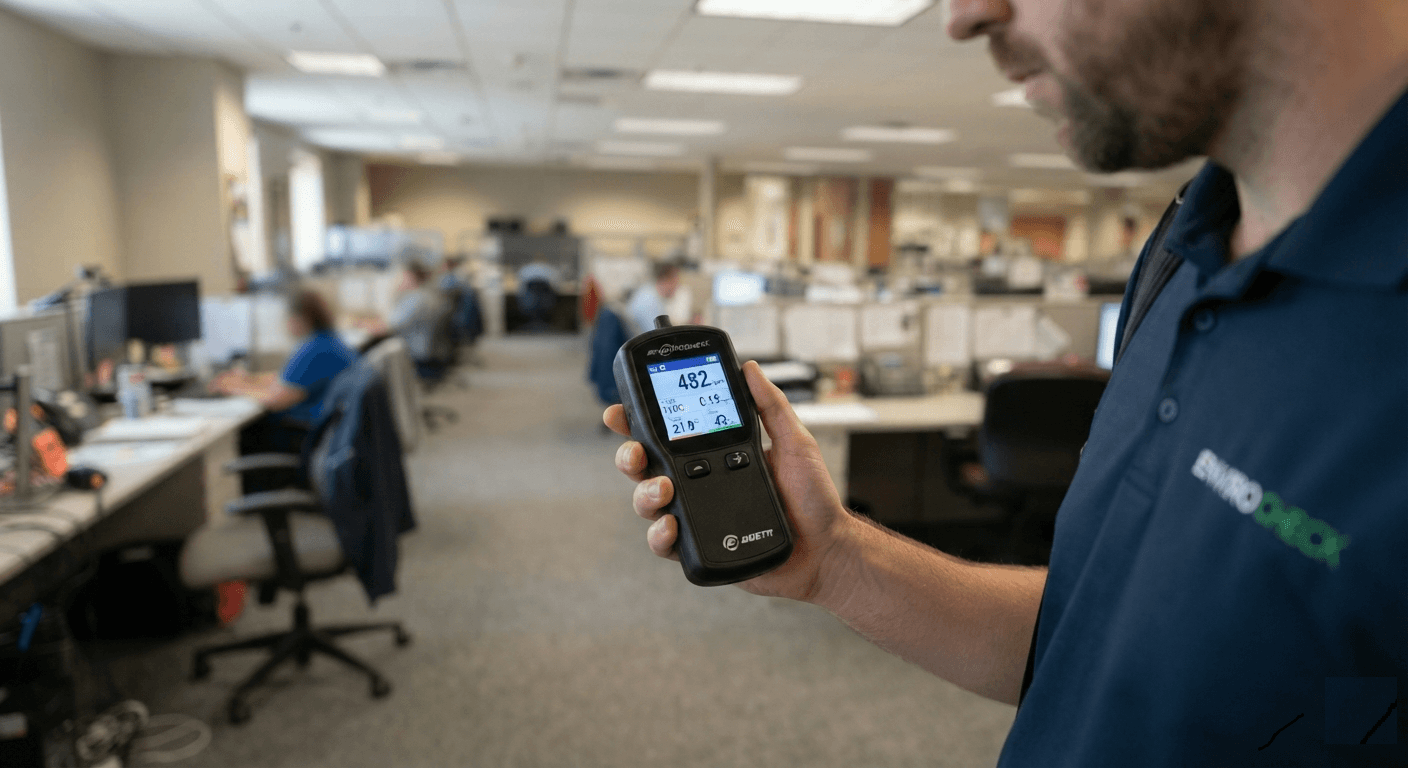
Indoor Air Quality Assessments Sydney: What Gets Measured and Why It Matters
Indoor air quality (IAQ) has moved from a secondary building management consideration to a core operating metric for commercial real estate in Sydney. With employees spending up to 90% of their working hours indoors, poor air quality directly impacts productivity, cognitive performance, absenteeism, and tenant retention.
For facility managers overseeing commercial office towers, healthcare sites, and educational campuses, managing commercial building air quality in Sydney requires moving beyond guesswork. Conducting structured air quality assessments provides actionable data to optimize ventilation systems and ensure compliance.
Key Metrics Evaluated in an IAQ Assessment
A comprehensive indoor air audit evaluates several chemical, biological, and physical parameters:
1. Carbon Dioxide (CO2) Levels
Elevated CO2 indicates insufficient fresh outdoor air intake relative to building occupancy. When CO2 exceeds 800–1,000 ppm, occupants frequently experience drowsiness, reduced concentration, and impaired decision-making capabilities.
2. Particulate Matter (PM2.5 and PM10)
Fine airborne dust, vehicle exhaust particles, and bushfire smoke can penetrate deep into lung tissue. Monitoring PM2.5 and PM10 ensures building filtration systems effectively scrub ambient urban air before distribution.
3. Total Volatile Organic Compounds (TVOCs)
Off-gassing from furniture, carpets, cleaning solvents, and paints releases chemical vapors into the air supply. Elevated TVOC levels contribute to eye, nose, and throat irritation.
4. Relative Humidity & Temperature
Excessive humidity (above 60-65%) creates an environment ripe for mold growth inside mechanical ductwork and carpeted floors, while overly dry air causes mucosal dry-out and increases susceptibility to viral infections.
5. Fungal & Bacterial Spore Counts
Sampling airborne mold spores identifies hidden moisture intrusion or stagnant water pools within mechanical air handling units (AHUs).
Impact on Building Certifications (NABERS & WELL)
In Sydney's competitive commercial property market, high-performing buildings leverage superior IAQ to gain recognized sustainability and wellness accreditations:
· NABERS Indoor Environment: Measures temperature, air quality, lighting, and acoustics to rate office building quality.
· WELL Building Standard: Sets stringent international thresholds for air filtration, fresh air rates, and continuous IAQ monitoring.
Fulfilling these benchmarks enhances asset valuation and attracts premium corporate tenants.
From Periodic Audits to Continuous AirSense™ Intelligence
While annual air quality audits provide a valuable point-in-time snapshot, modern facilities require continuous monitoring to catch air quality drops caused by filter bypass, occupancy spikes, or HVAC equipment failure.
By integrating physical audits with digital platforms like AirSense™, facility managers gain real-time visibility into indoor environmental conditions, triggering automated alerts before occupants notice a problem.
Book Your Sydney Air Quality Audit
Taking control of your building's environment starts with precise baseline data. A professional indoor air quality assessment gives you the technical insights needed to protect occupant health, lower operational risk, and optimize HVAC efficiency.
Contact AirDuct HVAC today to schedule an IAQ inspection or learn how our continuous monitoring technology supports Sydney facilities.